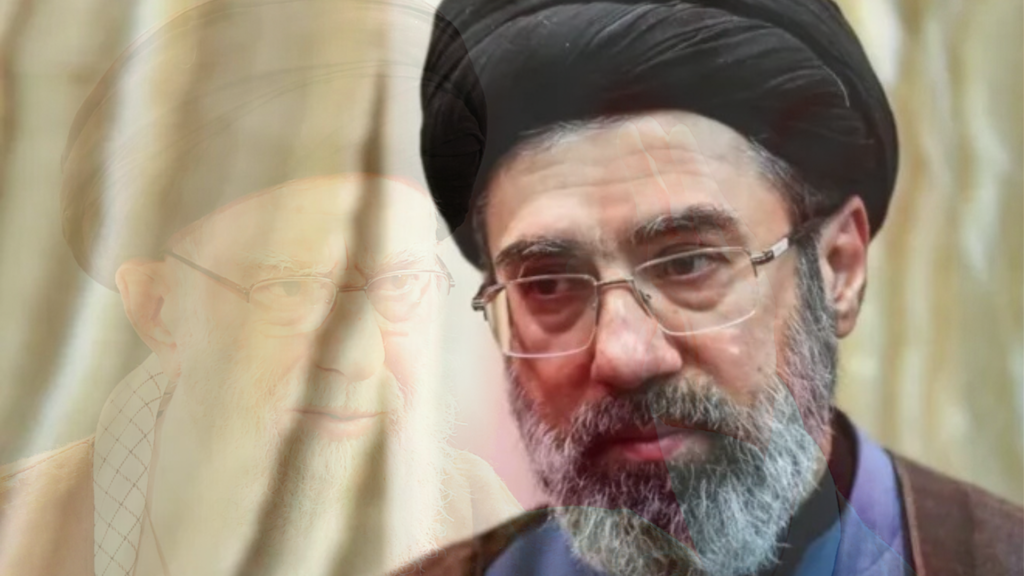
Tehran: Iran has entered a new political era after the appointment of Mojtaba Khamenei as the country’s Supreme Leader following the death of his father, Ali Khamenei. The leadership change comes during a period of intense regional conflict and growing international tensions.
Mojtaba Khamenei, a 56-year-old cleric, was selected by Iran’s powerful Assembly of Experts, the body responsible for appointing the country’s supreme leader. His appointment follows reports that his father was killed in large-scale airstrikes during escalating military confrontations in the Middle East.
Rise From the Shadows
For many years, Mojtaba Khamenei remained a largely behind-the-scenes figure in Iranian politics. Born in Mashhad, Iran, in 1969, he is the second son of Ali Khamenei and grew up during the period surrounding the 1979 Iranian Revolution.
Although he rarely held formal public positions, he gained significant influence through his role inside the Office of the Supreme Leader and through close ties with the powerful Islamic Revolutionary Guard Corps. Analysts say these relationships helped consolidate his political power within Iran’s ruling system.
Injured During the Conflict
Recent reports indicate that Mojtaba Khamenei was injured during the same wave of airstrikes that killed his father and several family members. Iranian officials have described him as “lightly injured but active,” though he has not appeared publicly since taking office.
The absence of public appearances has sparked speculation about his health and the stability of Iran’s leadership during the ongoing conflict. Some reports suggest he sustained injuries to his legs and other parts of his body during the attacks.
Controversy Over His Appointment
The selection of Mojtaba Khamenei has generated debate both inside and outside Iran. Critics argue that the succession resembles a dynastic transfer of power, something the Islamic Republic historically opposed. However, supporters claim his experience and close relationship with Iran’s military institutions make him capable of leading the country during wartime.
Global Reactions
The leadership change has drawn strong reactions from international leaders. Western governments and regional powers are closely monitoring developments in Tehran, as analysts warn that Iran’s new leadership could influence future conflicts, diplomacy, and global energy markets.
A Critical Moment for Iran
With Iran facing military pressure, economic sanctions, and regional tensions, Mojtaba Khamenei’s leadership begins at one of the most challenging moments in the country’s modern history. Political observers say the coming months will determine whether his leadership will stabilize the country or further intensify regional conflicts.