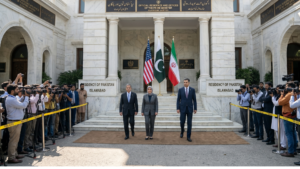
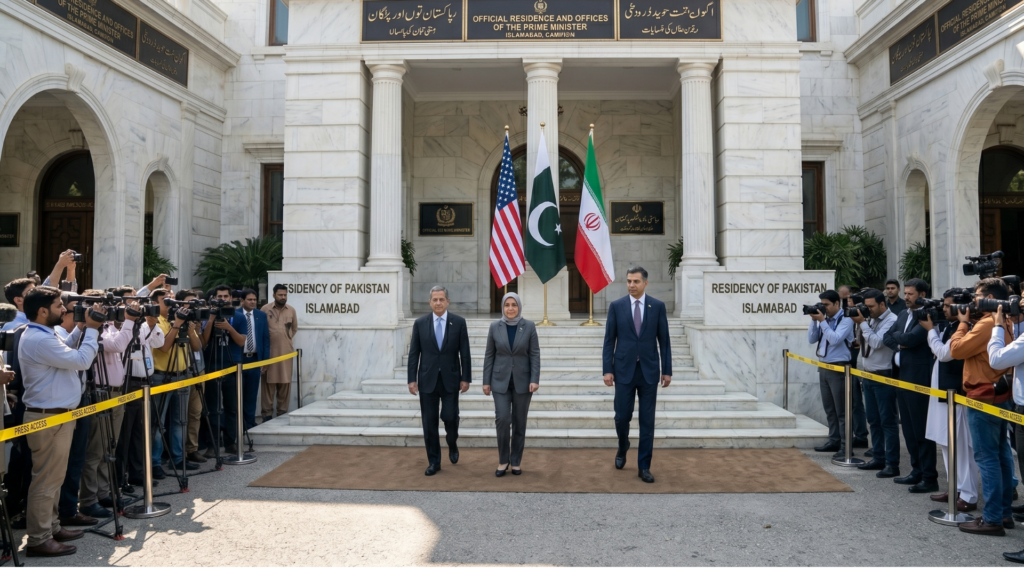
ISLAMABAD, PAKISTAN — In a crucial diplomatic push to end the ongoing 2026 conflict, high-level delegations from the United States and Iran have descended upon Islamabad for a critical round of peace negotiations. The talks, heavily mediated by the Pakistani government, aim to establish a permanent framework to stabilize the Middle East following weeks of severe military escalation.
According to diplomatic sources, the United States is being represented by special envoys Steve Witkoff and Jared Kushner, who were dispatched by President Donald Trump. On the Iranian side, Foreign Minister Abbas Araghchi arrived in the Pakistani capital accompanied by a specialized negotiating team.
Despite the physical proximity of the two delegations, Iranian officials have confirmed that they will not engage in direct face-to-face negotiations with the U.S. representatives. Instead, all proposals and counter-offers are being relayed through Pakistani mediators, led by Deputy Prime Minister and Foreign Minister Ishaq Dar, along with other senior Pakistani leadership.
The stakes for these negotiations are exceptionally high, with both sides focusing on several core, non-negotiable issues:
- The Strait of Hormuz: A central demand from the U.S. delegation is the immediate and unconditional reopening of the Strait of Hormuz to restore the safe flow of global oil and secure international maritime trade routes.
- Nuclear and Ballistic Programs: The United States is pressing for an affirmative commitment from Tehran to halt all nuclear enrichment activities—a “zero enrichment” policy—and to dismantle elements of its ballistic missile program.
- Sanctions Relief: In exchange for these major concessions, Iran is seeking the lifting of crippling economic sanctions and the unfreezing of significant international assets.
The current talks build upon a fragile two-week ceasefire that was initially brokered by Pakistan earlier in April. While President Trump has agreed to extend the ceasefire temporarily to allow these discussions to take place, the U.S. has maintained a firm stance, keeping its naval blockade in place and signaling that military readiness remains high should talks collapse.
While both sides have acknowledged some progress during the initial exchange of proposals, major sticking points remain—particularly regarding the exact limitations on Iran’s civilian nuclear program. The international community is watching Islamabad closely, hoping that this mediated diplomacy will finally bring an end to the hostilities and reshape the security framework of the Middle East.