The global energy market is facing renewed volatility as oil prices surge amid escalating conflict in the Middle East. Rising tensions involving Iran, Israel, and the United States have disrupted major oil shipping routes, raising fears of a worldwide energy crisis.
Oil prices climbed sharply this week as investors reacted to growing instability in the region. The conflict has threatened supplies passing through the Strait of Hormuz, one of the world’s most important oil transit routes. Nearly one-fifth of the world’s petroleum shipments move through this narrow waterway, making it critical for global energy markets.
Supply Disruptions Raise Concerns
Energy analysts say that any disruption in the Strait of Hormuz could significantly affect global oil supplies. Shipping companies have already begun rerouting vessels, while some tankers have delayed voyages due to security concerns.
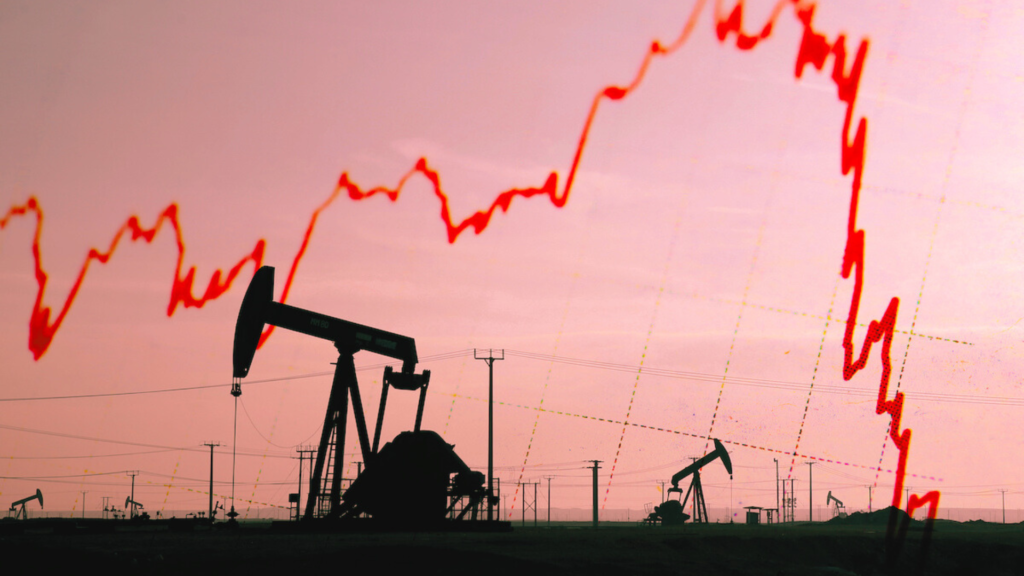
The situation has pushed oil prices to their highest levels in months, with markets reacting quickly to the risk of prolonged instability in the region. Experts warn that continued fighting could further tighten global supply and drive prices even higher.
Emergency Measures by Energy Authorities
In response to the rising crisis, the International Energy Agency has announced the release of emergency oil reserves to help stabilize global markets. The agency said member countries would coordinate the release of millions of barrels of crude oil to ease supply pressures.
Officials stated that the move aims to prevent extreme price spikes that could damage the global economy and increase inflation in many countries.
Impact on Global Economy
The spike in oil prices is expected to affect transportation, manufacturing, and food production worldwide. Higher fuel costs could lead to increased prices for goods and services, placing additional pressure on consumers already dealing with economic uncertainty.
Countries that rely heavily on imported oil may face the most significant challenges as governments attempt to manage rising energy costs.
Outlook for the Energy Market
While some analysts believe the emergency oil release could temporarily calm markets, many warn that the situation remains unpredictable. If the conflict intensifies or spreads further across the Middle East, the world could experience a prolonged energy crisis.
For now, global markets are closely watching developments in the region, as the future of oil supply and economic stability may depend on how the conflict unfolds in the coming weeks.