Global Trade Forever
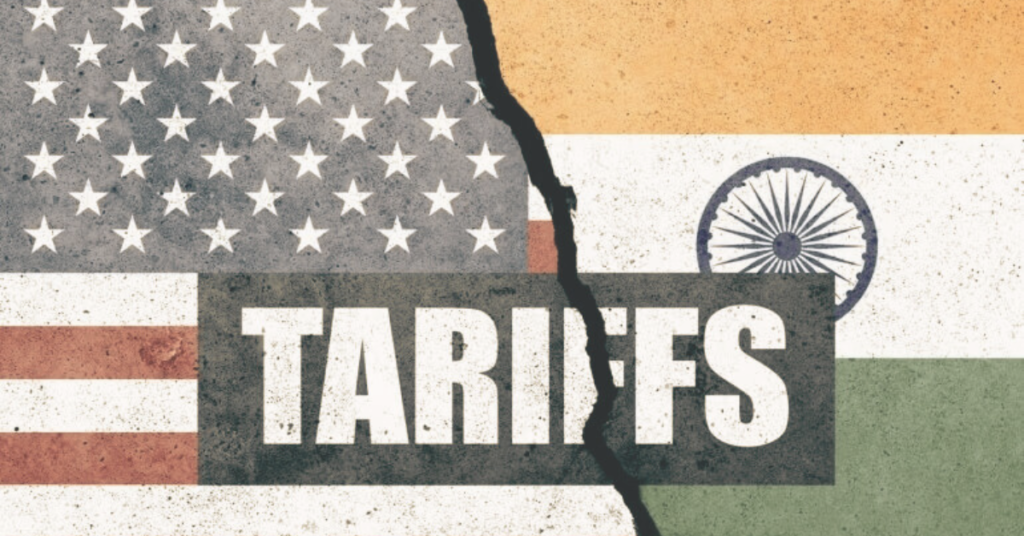
In a move that has sent the global markets into a literal frenzy, the United States and India have finally pulled the trigger on a “historic” trade deal that effectively ends the economic cold war between the two nations. After months of “no cap” tension, President Donald Trump and Prime Minister Narendra Modi confirmed today that U.S. tariffs on “Made in India” goods will be slashed from a punishing 50% down to 18%.
The Backstory: Why was it 50%? For the uninitiated, the 50% rate wasn’t just a random number. It was a combination of a 25% reciprocal tariff and a 25% “punitive” duty slapped on India for refusing to stop buying discounted Russian oil. For the last year, India stood its ground, with PM Modi famously stating he was ready to “pay the price” to protect national interests. But today, the deadlock broke.
The Quid Pro Quo: Oil for Trade This deal isn’t just about cheaper textiles and tech. According to the announcement made on Truth Social and confirmed by the MEA in New Delhi, India has agreed to a massive strategic pivot. The “price” for the 18% tariff? India will reportedly stop its purchases of Russian seaborne crude oil. Instead, New Delhi is committing to buy over $500 billion worth of American energy, technology, and agricultural products. Trump even hinted that India might look toward Venezuela to fill the remaining energy gap, further isolating Moscow.
The Economic Vibe Shift The impact was immediate. In Mumbai, the Sensex and Nifty saw a massive rally, jumping nearly 3-5% in a single session. Sectors like textiles, gems and jewelry, and specialty chemicals are the biggest winners, as they now have a competitive edge over regional rivals like Vietnam and Bangladesh (whose tariffs remain higher at 19-20%).
However, not everyone is celebrating. The Congress party in India has labeled the deal a “surrender,” claiming that PM Modi has sacrificed India’s energy independence to appease Washington. Meanwhile, U.S. small business groups are wary, noting that an 18% tariff is still a significant tax compared to the 2-3% rates seen back in 2024.
Why It Matters to Gen Z For a generation that cares about where their products come from and the ethics of global power, this deal is a case study in “Realpolitik.” It shows that in 2026, trade is the ultimate weapon. By moving India away from the Russian sphere of influence and cementing it as the “MIGA” (Make India Great Again) manufacturing hub, the U.S. is betting on India to be the primary alternative to China.
Whether this leads to a more stable world or just a new set of tensions remains to be seen. But one thing is certain: the “Made in India” tag on your next pair of sneakers or smartphone just became the most important label in the global economy.