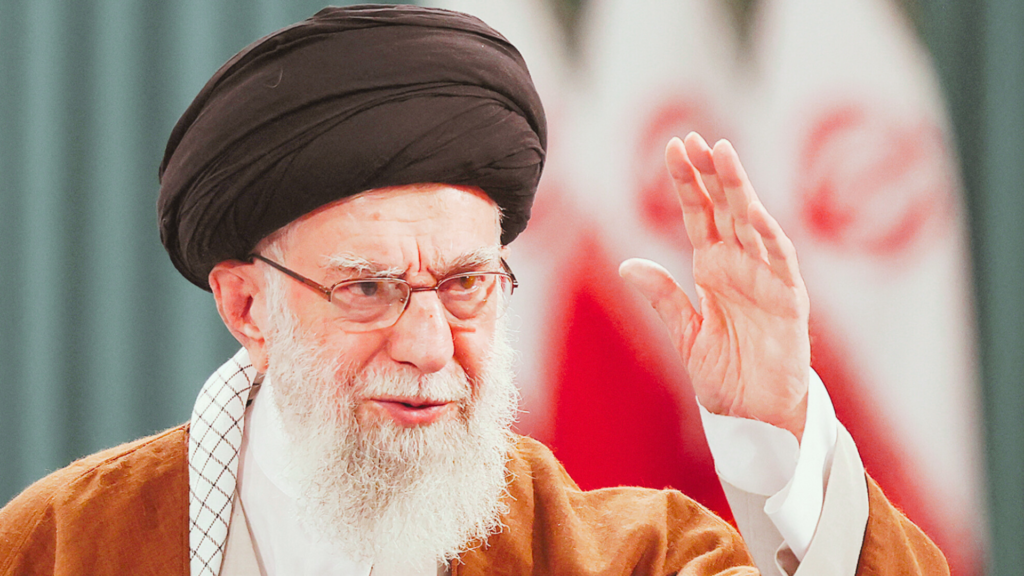
Tehran: Iran’s long-time Supreme Leader Ali Khamenei has reportedly been killed in a large-scale airstrike carried out during escalating conflict between Iran and a coalition led by the United States and Israel. The strike took place on February 28, 2026, targeting key Iranian leadership locations in Tehran.
Khamenei, who had served as Iran’s Supreme Leader since 1989, was considered the country’s most powerful political and religious figure. His death marks one of the most dramatic developments in Middle Eastern geopolitics in recent decades.
Details of the Airstrike
According to international media reports, the airstrike targeted strategic sites connected to Iran’s leadership. The operation reportedly resulted in multiple casualties, including Khamenei and several members of his family. Iranian authorities later confirmed the death of the 86-year-old leader following the attack.
The strike occurred amid a broader military confrontation between Iran and Western allies, which has led to increased tensions across the Middle East and concerns about regional stability.
Appointment of a New Supreme Leader
Following Khamenei’s death, Iran’s powerful clerical body known as the Assembly of Experts selected his son Mojtaba Khamenei as the country’s new Supreme Leader.
Mojtaba Khamenei, a senior cleric with strong ties to Iran’s Revolutionary Guard, has long played an influential role behind the scenes in Iran’s political structure. His appointment is seen by many analysts as an attempt to ensure continuity in the country’s leadership during a time of crisis.
Reports of Injuries to the New Leader
Recent reports indicate that Mojtaba Khamenei may have been injured during the initial wave of airstrikes that killed his father. Officials say he is currently “injured but active,” although he has not yet appeared publicly since taking office.
Regional and Global Reactions
The death of Ali Khamenei has triggered strong reactions from governments around the world. The United States and Israel have defended their military actions, while Iran has vowed to respond to what it describes as an act of aggression.
Analysts warn that the leadership change could further escalate tensions in the region, particularly as Iran continues to confront Western powers and their allies.
Conclusion
The assassination of Ali Khamenei represents a historic turning point for Iran and the broader Middle East. With Mojtaba Khamenei now leading the country during a period of war and uncertainty, the coming months are expected to play a critical role in shaping Iran’s political future and regional dynamics.